How to evaluate safety and walkability before moving
Practical ways to judge whether a street feels safe and walkable before you sign a lease or make an offer
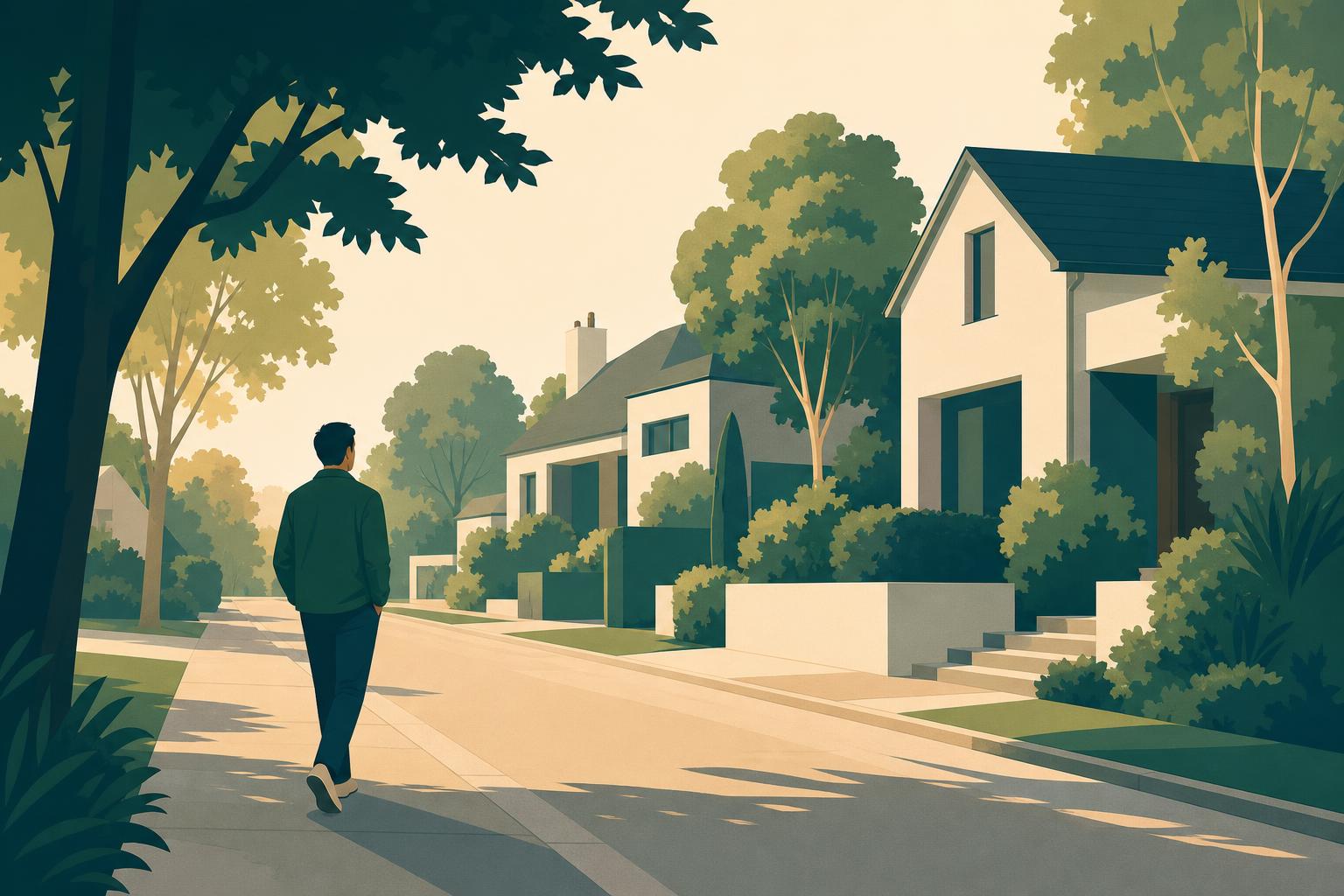
Walk the streets yourself
You cannot judge a neighborhood from a screen. Maps show roads and parks, but they do not show how it feels to walk to the shop at dusk or cross the road with a child. Before you move, visit the area on foot at least twice: once in daylight and once after dark. Your own legs and eyes are the best tools you have.

Check the pavements, not just the postcode
Walkability is about whether the street works for your body. Are the pavements wide enough for a buggy or a wheelchair? Do you have to sprint across multi-lane traffic to reach the pharmacy? Can you buy milk, post a letter, or get a coffee without starting a car?
Look for benches, bins, and shade. A street that forces you into the road every fifty metres is not walkable, no matter what the listing says.
Rule of thumb: If you would not walk to the nearest shop after dark, think carefully before moving in.
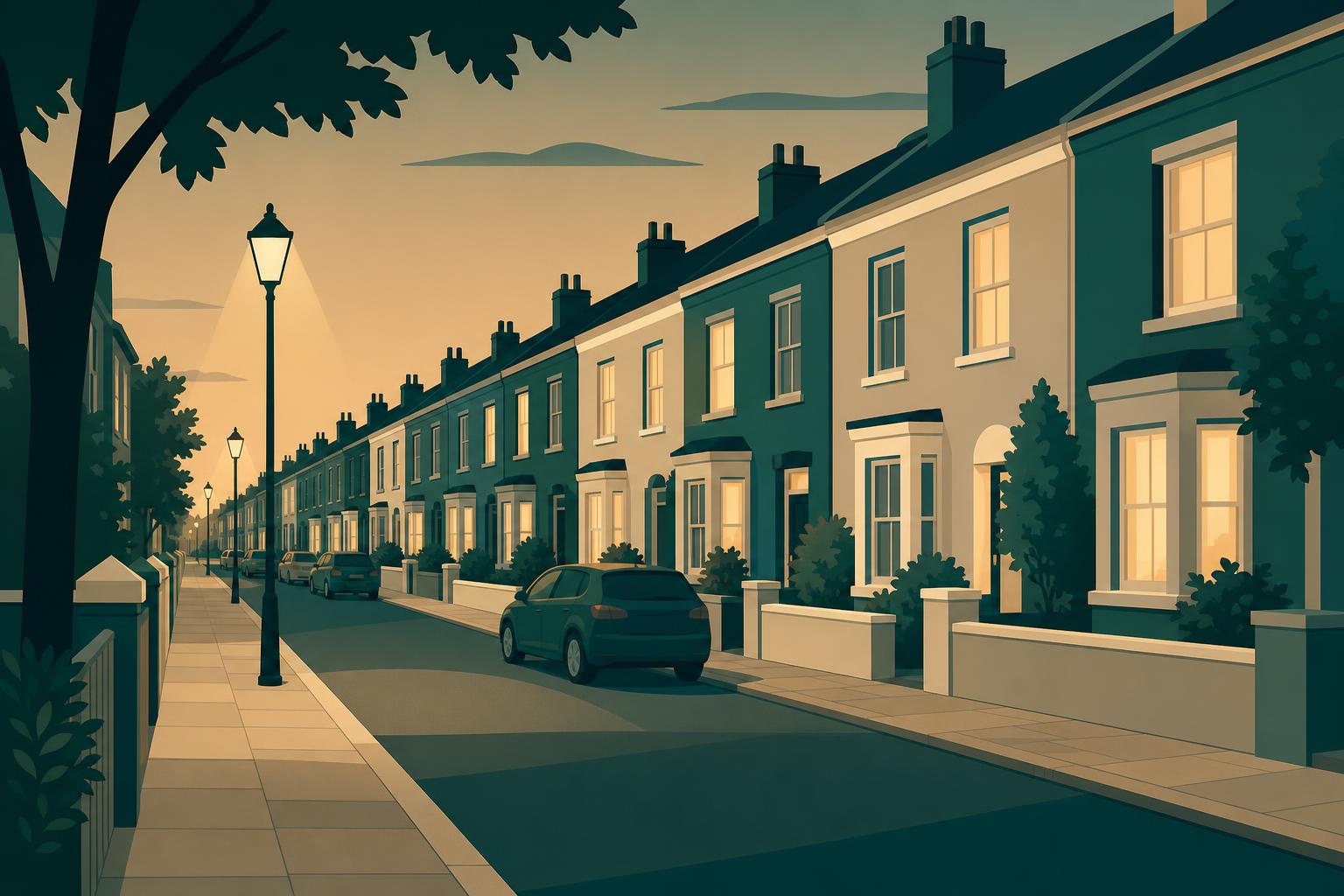
Read the safety cues
You do not need crime statistics to spot neglect. Look for street lights that work. Look for front doors and windows that face the pavement rather than hiding behind high walls. Look for shop windows, cafes, or bus stops that put eyes on the street.
A well-kept place is not always safe, but a place with broken glass, dead lights, and boarded-up storefronts tells you something about how people treat the space.

Watch the cars
Fast traffic makes a neighborhood feel unsafe even when crime is low. Look for speed bumps, narrow lanes, zebra crossings, and cyclists. If children are riding bikes in the road or people are walking dogs without tension, the street is probably calm enough to live on.
Listen. A constant roar of cars means you will hear it from your sofa too.

Return after sunset
A street that feels friendly at noon can feel hollow at nine in the evening. Walk it again at night. Are the car parks and alleyways lit? Is anyone else walking home from the bus stop? Does the soundscape shrink to footsteps and traffic, or is there life around the takeaway or the station?
Trust your instincts. If your shoulders tighten for no clear reason, notice it.
What to do next
Take notes. Compare two or three neighborhoods on the same criteria: pavements, crossings, lighting, traffic, and night life. If you cannot visit in person, ask a local to walk the route and tell you what they see.
At HoodEx, we score every neighborhood on nature, people, buildings, society, and connections. Use those scores alongside your own two feet. Nothing replaces standing on the pavement and knowing whether it feels like home.
Related posts
- How to choose a neighbourhood in a new city
- Why real-time sentiment beats static neighborhood data
- Walk Score vs AreaVibes vs Hoodex: what neighborhood scores measure (and miss)
More from the HoodEx blog · City studies · Explore neighborhoods